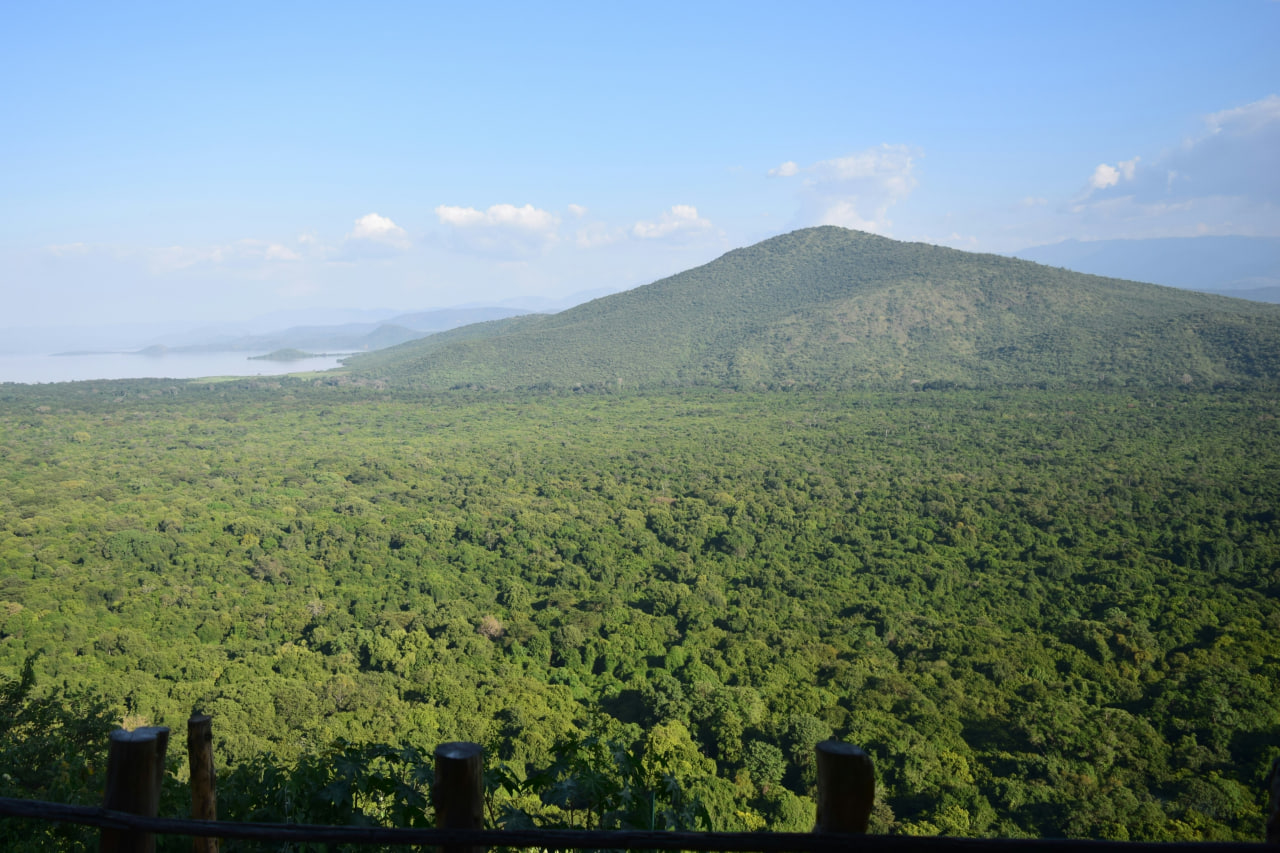
The best time to visit Ethiopia depends almost entirely on what you want to do and where you want to go. Unlike some destinations with a single obvious peak season, Ethiopia's enormous size, dramatic altitude range (from 130 metres below sea level in the Danakil to 4,550 metres in the Simien), and distinct regional climates mean that there is genuinely no single "best" month for everyone. This guide breaks it down by month and by travel interest so you can make the right decision for your specific trip.
Overview: Ethiopia's Two Main Seasons
Ethiopia has two primary seasons: the dry season (roughly October through May) and the main rainy season (June through September). Within these, there is a shorter rainy period in some regions from February through April. The dry season is generally the recommended period for tourism, but the rains have their own rewards green landscapes, wildflowers, fewer visitors, and lower prices.
Month by Month Breakdown
October to December is perhaps the most universally excellent period. The rains have ended, vegetation is green and lush from recent rainfall, wildlife is dispersed across the parks in good conditions, and the heat has not yet built up. Birdwatching is exceptional as Palearctic migrants are arriving. Hiking in the Simien and Bale Mountains is comfortable. Photographer friendly light abounds.
January is the peak festival month Genna (Ethiopian Christmas, January 7) and Timkat (Ethiopian Epiphany, mid to January) make this the most culturally rich period. Lalibela and Gondar are crowded and require very advance booking. Weather across the north is excellent cool and clear. The Danakil is at its most manageable temperature wise.
February to March sees increasing heat in the lowlands but remains excellent in the highlands. The shorter rains begin to affect some southern regions in March to April. Wildlife viewing remains good, and these months are generally quieter for tourism, meaning better lodge availability and a more relaxed atmosphere at the major sites.
April to May brings the short rains to parts of northern and central Ethiopia, but the south (Omo Valley, Bale, Rift Valley) often remains dry. A shoulder season with lower prices and occasional grey days in the highlands.
June to August the main rainy season in most of Ethiopia. The highlands receive heavy, reliable rainfall. Trekking in the Simien can be muddy and views can be obscured. Some roads in the Omo Valley become impassable. However, the green landscape is extraordinary, wildflowers are at their peak in the Simien, and tourist numbers drop significantly. The Danakil and Awash National Park are best avoided in the hottest months (June to August).
September the Meskel festival (late September) is one of Ethiopia's great events. The rains are easing in many areas. The Irreecha festival at Bishoftu (early October) is worth catching. This is the beginning of the excellent October to December period.
Best Time by Interest
- Festivals: January (Timkat, Genna), September to October (Meskel, Irreecha)
- Wildlife and birdwatching: October to March (dry season, peak raptor and migrant activity)
- Trekking (Simien and Bale): October to February (best conditions, clearest skies)
- Omo Valley: October to January (dry roads, community events more accessible)
- Danakil Depression: November to February (lowest temperatures still very hot)
- Photography: October to November and January to February (clear light, green but not rainy)
- Budget travel: May to August (lower prices, fewer tourists, some weather challenges)
Browse the tour packages on our site to see which itineraries are available across different months, or use our custom trip planning service to design an itinerary timed precisely around the Ethiopia weather, festivals, or wildlife events most important to you.
Recommended Tour
All Tour Packages
Explore our diverse range of year-round historical, cultural, and adventure tours across Ethiopia.
View Tour & ItinerarySpread the story