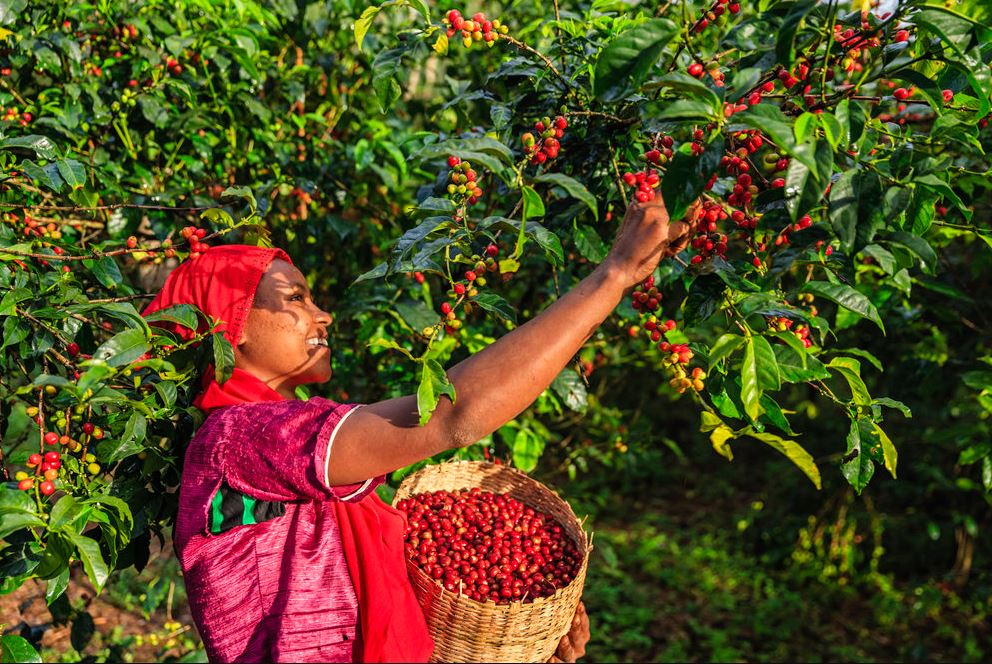
An Ethiopian coffee tour is unlike any coffee experience available anywhere else on earth. Ethiopia is not just the world's largest African coffee producer it is the genetic homeland of Coffea arabica, the species from which all arabica coffee originates. The word 'coffee' itself likely derives from 'Kaffa', the southwestern Ethiopian region where wild coffee trees still grow in ancient forest, their seeds falling unpicked onto a carpet of forest floor just as they did thousands of years before the first cup was ever brewed.
For coffee lovers, this is a pilgrimage. For curious travelers, it is a revelation a reminder that one of the world's most consumed beverages has a deep and specific cultural origin that transforms the experience of drinking it.
The Kaffa Biosphere Reserve: Coffee in the Wild
The most immersive Ethiopian coffee tour experience begins in the forests of the Kaffa Biosphere Reserve, a UNESCO recognised site in the southwestern highlands around the town of Bonga. Here, wild coffee trees direct descendants of the original Coffea arabica grow as they always have, as forest understorey plants in the damp shade of the highland canopy. The forest carries a constant, rich aroma; ripe coffee cherries hang at shoulder height in red clusters, and the biodiversity of the surroundings is extraordinary.
Local cooperatives in the Kaffa region harvest this wild forest coffee and sell it under designations that command premium prices in international markets precisely because of its genetic heritage and harvesting method. Visiting a cooperative, understanding the sorting and processing process, and tasting coffee at the source is a genuinely educational and delicious experience.
The Coffee Ceremony: Ethiopia's Social Ritual
The Ethiopian coffee ceremony is the social core of the country's culture the equivalent, in its daily significance, of the British cup of tea or the Italian espresso bar. But the ceremony is much more elaborate than either, and experiencing it properly takes about an hour.
Green coffee beans are roasted over charcoal in a flat pan, then ground in a wooden mortar, then brewed in a clay pot called a jebena. The first pour Abol is the strongest. The second, Tona, is slightly weaker, and the third, Baraka (blessing), the weakest. Coffee is served in small handle less cups alongside popcorn or toasted barley and frankincense smoke, which perfumes the room.
Sharing the ceremony with an Ethiopian family in their home, rather than at a tourist venue, changes the experience completely. It is not a performance; it is hospitality at its most genuine.
Other Coffee Regions Worth Visiting
- Yirgacheffe: The origin of some of Ethiopia's most celebrated and internationally traded coffees, known for their floral and citrus notes; the small washing stations here can be visited in the context of a southern Ethiopia trip
- Sidama/Sidamo: Produces another of Ethiopia's most exported coffees with complex berry and chocolate notes; Hawassa is a natural base
- Harrar: The ancient dry processed coffees of eastern Ethiopia, with distinctive wine like and blueberry notes, have been traded on the Harar market for centuries
- Jimma: The largest coffee trading hub in Ethiopia and gateway to the southwestern forest coffee regions
A dedicated Ethiopian coffee tour of 7 to 10 days can take you through all three major regional coffee traditions southwestern forest, southern washing stations, and eastern dry process with coffee ceremony experiences woven into each stop. Alternatively, a coffee focus can be added to almost any existing itinerary. Our Addis Ababa city tour includes a traditional coffee ceremony, and a longer, dedicated coffee route can be designed through our custom tour planning service. Tell us where your coffee curiosity leads, and we'll build the trip around it.
Recommended Tour
Western Ethiopia Coffee Tour Packages
Trace coffee to its genetic origin in the Bonga rainforest and learn about cultivation and heritage on a dedicated coffee tour.
View Tour & ItinerarySpread the story