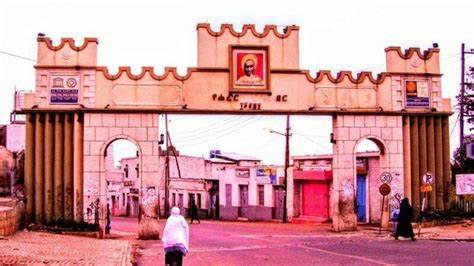
A Harar tour introduces you to one of Africa's most distinctive and surprising cities. Harar Jugol the walled inner city is a UNESCO World Heritage site that has been continuously inhabited for at least 500 years. It is the fourth holiest city in Islam, home to nearly 100 mosques and countless shrines within an area barely a kilometre across, and the cultural capital of the Harari people, whose language, architecture, and traditions are unlike anything else in the region.
But what brings many visitors to Harar first is something both older and stranger than the city's Islamic scholarship or its colourful architecture: the hyena feeding tradition. Each evening at dusk, just outside two of the city's gates, local hyena men attract wild spotted hyenas from the surrounding hills and feed them raw meat directly from their mouths and hands. It is one of the most genuinely extraordinary wildlife interactions on earth and it has been happening for generations.
Inside the Walls: The Old City
Walking inside Harar's ancient walls is an immediate sensory experience. The alleys are narrow enough that two people can barely pass each other, the walls painted in vivid pinks, blues, and greens, and the sounds of children's Arabic lessons, the call to prayer from multiple directions, and the smell of spiced tea and incense weave together into something genuinely transporting.
The Jugol wall itself, built in the 16th century, has five gates each originally aligned with a different direction and associated with a different group of traders who entered through it. The Arthur Rimbaud House (the French symbolist poet lived in Harar during his years as a merchant) has been converted into a cultural museum and is a worthwhile stop. The Harari Cultural Museum and the beautifully restored merchant houses give excellent context for the city's social and commercial history.
The Hyena Tradition: What to Expect
The feeding happens every evening after dark at two points near the Argoba and Erer gates. The hyenas arrive reliably, emerging from the dark beyond the city's lights and approaching the feeding points with a confidence that reflects generations of learned trust.
The hyena men, who inherit the practice from their fathers, have given names to the individual hyenas in their territories and understand their personalities. Watching a hyena take meat from a stick held in a man's mouth the hyena's head inches from his face is one of those rare moments where the boundary between the human and wild world genuinely blurs.
- Best time: Arrive just after sunset; feeding typically starts around 7 about 8 p.m.
- What to expect: Wild spotted hyenas, typically 8 to 15 individuals per session, coming from the surrounding scrub
- Participation: Visitors can hold a stick or even a piece of meat for the hyena to take your guide will advise on safety
- Photography: Possible, but use a small amount of fill light rather than harsh flash, which disturbs the animals
- Duration: 20 to30 minutes per session
Harar Beyond the Hyenas
Harar is genuinely worth a full day and a night even setting aside the feeding tradition. The morning market, the coffee ceremony in a traditional Harari house, and an afternoon exploring the alleys with a local guide who can navigate the labyrinth and translate the city's social layers all combine into one of Ethiopia's richest urban experiences.
Our Harar tour includes the old city walk, the hyena feeding, and can be combined with visits to Dire Dawa and the Awash region as part of a broader eastern Ethiopia tour package. Contact us to arrange your Harar itinerary.
Recommended Tour
Harar Walled City Tour
Discover the 16th-century walled city of Harar Jugol, its colorful alleys, and experience the ancient hyena feeding ritual.
View Tour & ItinerarySpread the story