A Konso village tour takes you to one of Africa's most quietly extraordinary UNESCO World Heritage sites. The Konso Cultural Landscape in southern Ethiopia is a living testament to over a thousand years of organised community agriculture and social architecture terraced hillsides, stone walled villages perched on defensible heights, and a tradition of social governance through community councils that has maintained these structures without interruption for generations.
The Konso people number around 300,000 and live in a cluster of densely built fortified villages in a hilly area west of Arba Minch, between the Omo Valley to the south and the Rift Valley lakes to the northeast. Their villages called paletas are concentric rings of stone walled settlement built around a central mora, the community gathering space where men meet to discuss village affairs and where generations of decisions about planting, water, conflict resolution, and ceremony have been made.
The Terraced Landscape: Agriculture as Architecture
The most immediately striking feature of the Konso landscape is the terracing. The Konso have been building stone retaining walls across their hillsides for over 400 years, converting erosion prone slopes into productive agricultural land. The scale of the engineering accomplished without external assistance or machinery, maintained through community labour is extraordinary when you understand that what you are looking at is the accumulated work of dozens of generations.
The terracing is still actively maintained and farmed. Walking through the agricultural zones around a Konso village, you pass through sorghum fields, cotton plants, and root vegetable plots in a landscape that is simultaneously ancient and entirely functional. The Konso's traditional farming methods have attracted the attention of agricultural researchers as a model for sustainable dryland farming.
The Waga: Memorial Sculptures
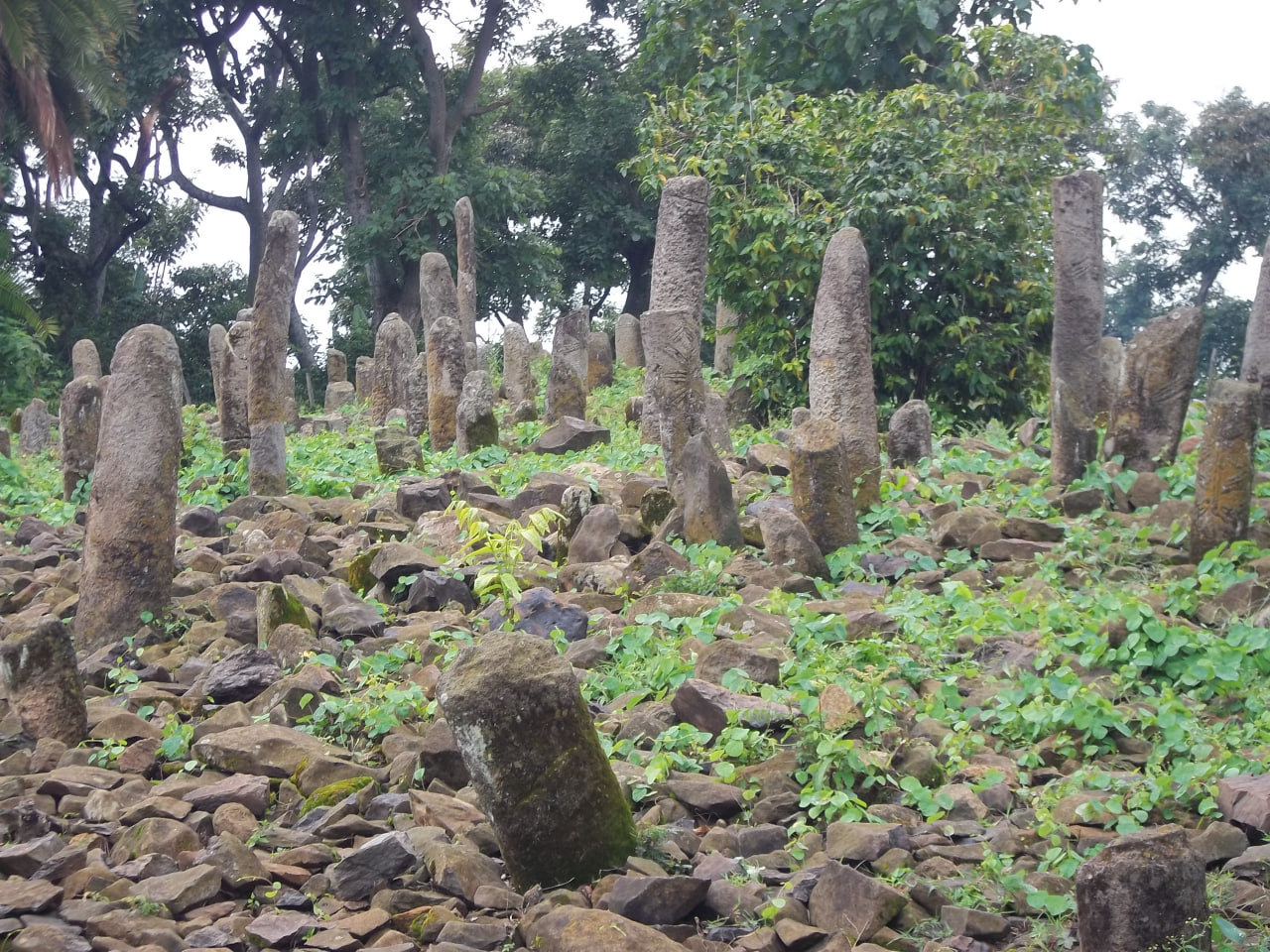
The Konso are also known for their extraordinary waga wooden memorial sculptures erected to honour prominent men after their death. These stylised human figures, sometimes arranged in groups that represent a man with his wives, enemies defeated in battle, and symbols of his achievements, are carved from the wood of the Erythrina tree and placed in designated areas of the village.
The waga tradition has declined in recent decades as materials and skills become scarcer, but many villages still have significant collections of older waga, and the tradition is being actively preserved through cultural documentation. The waga of Gesergio village are among the most impressive and accessible.
Visiting the Konso Villages Respectfully
- Entry fee: A small community managed entry fee applies at the major villages; this directly funds village maintenance
- Local guide: Essential the architectural and social significance of what you're seeing is largely invisible without explanation
- Best villages: Mecheke, Gesergio, and the village of Konso town itself are the most visited and have the best preserved structures
- Market day: Monday and Thursday markets in Konso town are excellent for understanding the community's economic and social connections
- Photography: Permitted throughout the villages, but ask through your guide before photographing individuals
- Duration: Allow at least 3 to 4 hours for a thorough village visit with context
Konso sits naturally in the southern Ethiopia tour circuit between Arba Minch and the deeper Omo Valley, typically visited as part of a 7 to 10 day southern route that combines the Rift Valley lakes, the Konso cultural landscape, and the Omo Valley tribes. Contact our team to include Konso in your southern Ethiopia itinerary it is consistently one of the sites that stays with visitors longest after their return home.
Recommended Tour
8 Days Southern Cultural Route
Explore the terraced hillsides and fortified stone villages of the Konso Cultural Landscape as part of our southern route.
View Tour & ItinerarySpread the story