Searching for an Omo Valley tour is the first step toward one of the most culturally rich journeys on earth. The Omo River basin in southern Ethiopia is home to over a dozen distinct ethnic groups among them the Mursi, Karo, Hamar, Banna, Dassanach, and Arbore each maintaining traditions of dress, ritual, and social organisation that have developed in near isolation for centuries. This guide is for the traveler who wants to experience the Omo Valley genuinely: with context, with respect, and with an honest understanding of what ethical cultural tourism looks like here.
Understanding the Omo Valley's Major Tribes
The Mursi are perhaps the most photographed people in the region, famous for the large clay lip plates worn by women as a marker of beauty and social status. They live in the remote lowlands near the Omo River and are among the more challenging groups to reach which contributes to their relative cultural isolation.
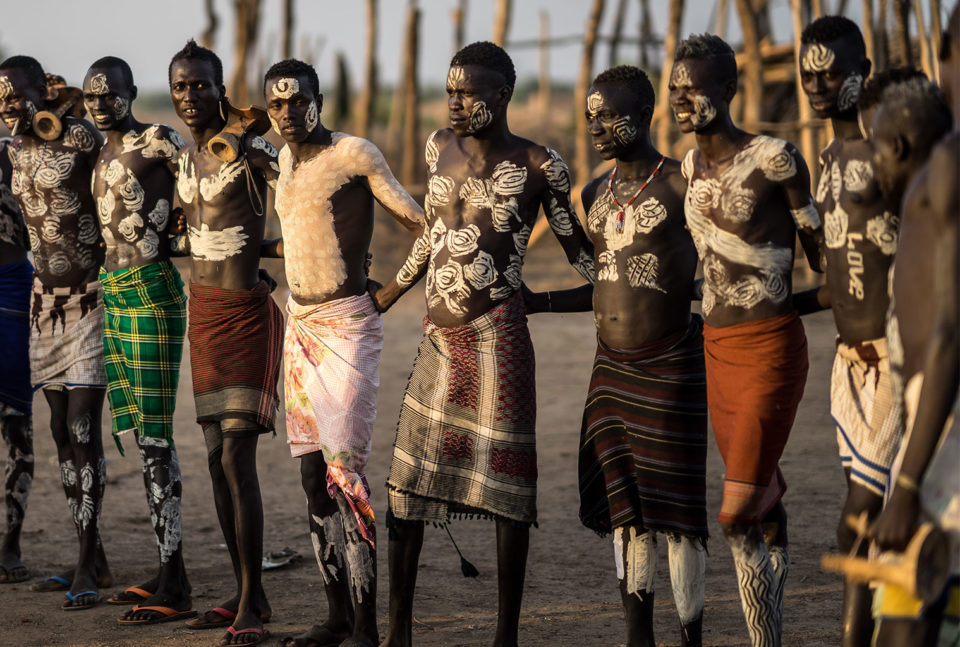
The Karo, a small community of a few thousand people living along a bend in the Omo River, are renowned for their body painting. Using white chalk, ochre, and charcoal, men decorate themselves for ceremonies and market days in intricate geometric and natural patterns. A morning at a Karo village, watching elders advise younger men on their paint designs, is unforgettable.
The Hamar are the largest group in the region and perhaps the most accessible for first time visitors. Their famous Bull Jumping ceremony a young man's rite of passage into adulthood is one of the most extraordinary collective rituals anywhere in Africa. Women participate actively, inviting men to beat their backs with switches as a demonstration of their willingness to suffer for their male relatives' transitions.
Guidelines for Respectful Omo Valley Travel
The Omo Valley receives increasing tourism interest, and the ethics of that tourism are important to understand before you go:
- Always ask before photographing many communities charge a modest fee for being photographed, which directly supports their income. Pay it willingly.
- Go with a local guide who has existing relationships with the communities you visit. Cold arrivals by private vehicle create awkwardness and often result in extractive, performative encounters.
- Avoid giving gifts to children sweets, pens, and small gifts distributed indiscriminately create dependency and disrupts community dynamics. Ask your guide how to donate meaningfully if you wish to.
- Don't treat ceremonies as performances if you are invited to witness a Bull Jumping, a market, or a ceremony, you are a guest. Behave accordingly.
- Budget for photo fees typically a small, negotiated amount per person or per session. This is the community's primary tourism income.
The southern Ethiopia tour packages from Yama are designed to combine the Omo Valley with the Bale Mountains, the Rift Valley lakes, and the Konso cultural landscape giving you a full picture of what the region offers over 8–12 days.
When to Visit the Omo Valley
The dry season (October through January) is the most comfortable time to travel in the Omo Valley. Roads in this remote region become extremely challenging during the long rains (June–September), and some communities relocate seasonally. The cattle market at Turmi (held weekly on Mondays) and the Hamar markets offer a more everyday window into these cultures than the purely ceremonial encounters.
If your schedule allows, try to time your visit around a Hamar Bull Jumping ceremony your guide can often get advance notice of upcoming ceremonies from their community contacts. These are genuine rituals, not staged performances, and witnessing one is a privilege that defines the Omo Valley experience for most visitors.
To design your Omo Valley cultural tour with depth and responsibility, speak to our local team. We work with guides who have spent years building genuine relationships with the communities in this region relationships that translate directly into more meaningful experiences for you.
Recommended Tour
8 Days Southern Cultural Route
Explore the diverse cultures of the Omo Valley, visiting the Mursi, Karo, and Hamar tribes on a respectful cultural tour.
View Tour & ItinerarySpread the story