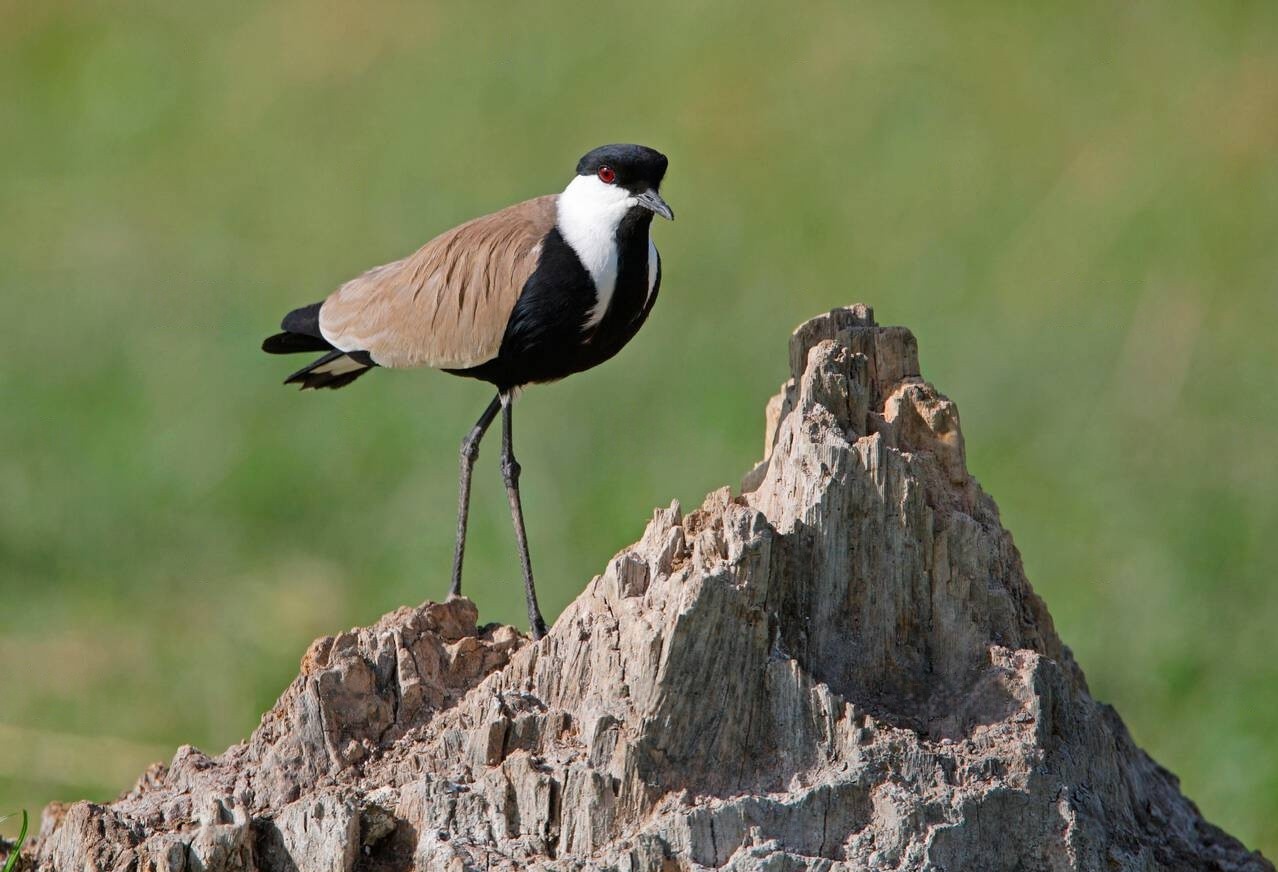
If you have been searching for birding tour Ethiopia price options or the best birding tour Ethiopia has to offer, you already know that this highland nation is one of Africa's most extraordinary birding destinations. With over 900 recorded species, more than 20 of them found nowhere else on earth, Ethiopia rewards birders at every turn, from the misty forests of the southwest to the volcanic shores of the Rift Valley lakes.
Ethiopia often flies under the radar compared to Kenya or Tanzania, but for serious birders, that relative obscurity is part of the appeal. The habitats are astonishing in their variety, the endemic species are genuinely spectacular, and the combination of bird watching Ethiopia with the country's cultural and historical riches makes for an unusually rich travel experience one of the reasons Ethiopia birding tours have grown steadily in popularity among serious birders.
Ethiopia's Premier Birdwatching Destinations
The Rift Valley lakes Ziway, Langano, Abiata, and Shalla form a 250 kilometre corridor of wetland habitat that draws flamingos in the tens of thousands alongside pelicans, storks, herons, and a wide assortment of waders. Dawn on the lakeshore, with the horizon turning gold and thousands of Lesser Flamingos lifting off the water, is one of those moments that stays with you for life.
The Bale Mountains are equally essential. On the high Sanetti Plateau, you have a realistic chance of spotting the Blue-winged Goose, Spot-breasted Lapwing, and the magnificent Thick-billed Raven all endemic to the Ethiopian highlands. The Harenna Forest on the plateau's southern slopes hosts the Abyssinian Woodpecker and the Ethiopian Bush-crow.
In the far southwest, the Kaffa Biosphere Reserve and the forests around Jimma hold forest specialists including the Ethiopian Oriole and several rare sunbird species. This region sees far fewer visitors than the north, which means the birding is wonderfully undisturbed and feels genuinely remote. The southern Ethiopia tour packages offered by Yama provide an excellent framework for combining these birding hotspots with cultural highlights in the Omo Valley.
Birds of Ethiopia: The Must-See Endemic Species
For birders visiting Ethiopia specifically to tick endemics, here are the species at the top of most wish lists among the incredible birds of Ethiopia:
- Blue-winged Goose : highland streams and wetlands above 2,500 m
- Spot-breasted Lapwing : Sanetti Plateau and surrounding grasslands
- Prince Ruspoli's Turaco : Arero Forest in the south, one of the world's rarest birds
- Sidamo Lark : Liben Plain near Negele Borena, critically endangered
- Ethiopian Bush-crow : a small range around Yabello in southern Ethiopia
- White-tailed Swallow : known from a handful of sites near Yabello
- Salvadori's Seedeater : highlands of western and southern Ethiopia
- Abyssinian Longclaw : highland grasslands of the central plateau
A local guide who knows the exact micro-habitats for these birds is virtually essential for the rarer endemics. Generic tour itineraries rarely get you to Liben Plain or the Arero Forest you need a specialist who has spent time in the field.
Birding Tour Packages: What to Expect and What It Costs
Birding tour Ethiopia price ranges widely depending on trip length, group size, and how remote your target species are. A shorter Rift Valley and Bale Mountains circuit will cost less than an extended itinerary reaching Arero Forest or the Liben Plain for the rarest endemics. Our birding tour packages are built around your species wish list, travel pace, and budget, so pricing is always tailored rather than fixed : contact us for a personalized quote.
The best approach is to combine dedicated birding time with Ethiopia's other extraordinary attractions. Awash National Park is a particularly productive stop for dry country species the acacia bush zone around the park holds a completely different community from the highlands, including the Somali Ostrich, Beisa Oryx (as context for the landscape), and a rich array of raptors and bee-eaters.
The best months for birdwatching across most of Ethiopia are October through March, the dry season, when trails are accessible and bird activity peaks. April and May are still excellent, with lingering Palearctic migrants, but the long rains begin in June. Experienced birders will find rewards year-round, but first-time visitors should target the dry season for the clearest conditions and easiest logistics.
A few practical points to keep in mind:
- Good optics are essential quality binoculars (8×42 or 10×42) and a spotting scope for open country species
- Field guides: Nigel Redman's Birds of the Horn of Africa is the standard reference
- Early starts matter the golden hours of 6–9 a.m. are when bird activity peaks
- Dress in neutral or earthy colours; bright clothing can disturb sensitive species
- Allocate at least 10–14 days for a trip that covers the main endemic zones
At Yama Ethiopia Tours, we build the best birding tour Ethiopia can offer around your target species list, travel pace, and budget. Our local guides combine expert ornithological knowledge with an intimate understanding of the habitats and early morning spots that only years of fieldwork can reveal. Contact us to start planning your Ethiopia birding adventure and get a price quote for your custom itinerary.
Recommended Tour
Ethiopia Birdwatching Safari
Discover over 900 species of birds, including key highland and Rift Valley endemics, on this specialized birdwatching safari guided by expert ornithological spotters.
View Tour & ItinerarySpread the story